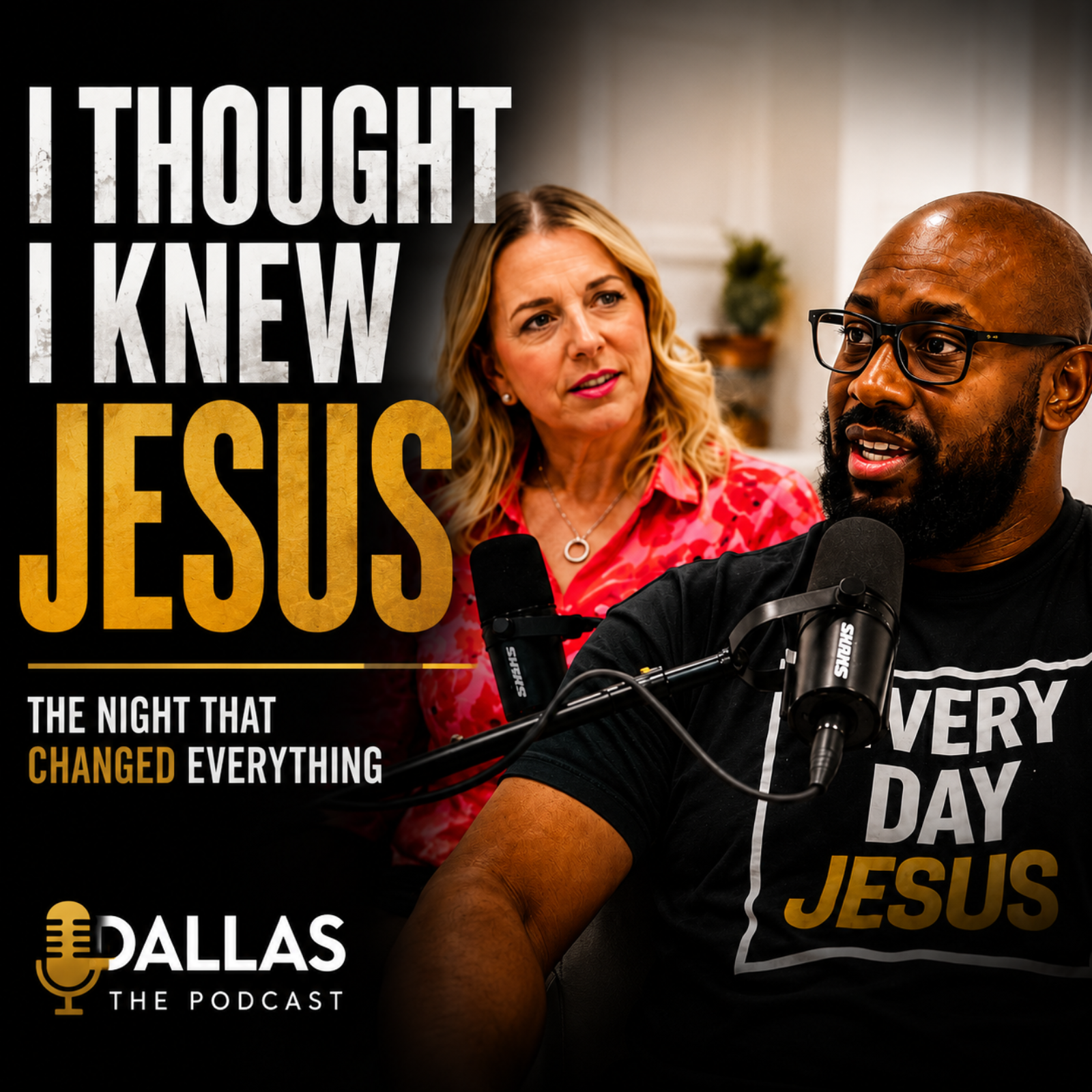
Cultural Christianity vs True Surrender: What Happens When Belief Isn't Enough
Cultural Christianity often leaves people believing in Jesus while still running their own lives. True surrender requires moving past intellectual agreement to make Christ the absolute Lord of your daily decisions, reshaping how you handle suffering, identity, and personal ambition when faith is truly tested.
Key Takeaways
- Cultural Christianity relies on moral upbringing and intellectual belief rather than actual personal surrender to Christ.
- A profound difference exists between believing Jesus is real and making Him the ultimate authority over your life choices.
- Faith is often refined and deepened through unexpected seasons of personal suffering and difficult trials.
- Authentic Christian witness focuses on sharing personal truth rather than trying to force conversions or arguments.
- A father's quiet integrity and persistent modeling can permanently alter the spiritual trajectory of the next generation.
The Trap of Cultural Christianity
Many individuals grow up surrounded by the trappings of faith without ever experiencing a true spiritual transformation. Raised in stable homes with parents who model discipline, integrity, and hard work, it is easy to adopt a lifestyle that looks outwardly religious while remaining inwardly untouched by the radical demands of the Gospel. This phenomenon, often called cultural Christianity, allows people to mentally check all the right boxes. They believe Jesus existed, they respect His teachings, and they might even attend church regularly. Yet, the core of their identity remains entirely self-directed.
Intellectual Belief Versus Lordship
The fundamental flaw of cultural Christianity lies in confusing intellectual assent with personal lordship. Knowing about Jesus from a historical or theological perspective is vastly different from surrendering the steering wheel of your life to Him. When life is comfortable, this distinction rarely bothers us. We can easily coast on the moral capital of our upbringing. However, when real pressure mounts—through financial ruin, relational breakdown, or unexpected crises—intellectual belief quickly proves insufficient. It is precisely in these high-stakes moments that people realize they need far more than a conceptual savior; they need a living Lord.
The Turning Point of Authentic Surrender
True spiritual transformation almost always demands a reckoning. For many, this happens during a profound moment of crisis or a singular unforgettable night where the illusions of self-reliance are stripped away. When someone finally stops trying to manage God and instead surrenders completely, the internal shift is monumental. It is the exact moment a person transitions from being a spectator of their faith to an active participant in God's broader story.
The Role of Persistent Influence
Rarely does someone undergo this profound shift entirely in a vacuum. God frequently uses ordinary people—faithful fathers, quiet mentors, or resilient friends—to plant seeds that eventually bear fruit. These individuals do not necessarily win arguments through sheer force of intellect; rather, they model an authentic, lived-out Christianity that becomes impossible to ignore. Their steadfast presence and quiet integrity create a safe environment for others to finally drop their defenses and embrace true surrender.
Refining Faith Through Suffering
One of the hardest lessons for a newly surrendered Christian to accept is that suffering often serves as God's greatest classroom. When we map out our lives, pain and adversity are rarely part of the desired curriculum. Yet, it is precisely in the crucible of trial that superficial faith gets burned away, leaving behind a resilient, unshakeable trust in God.
When suffering hits, cultural Christians often ask, "Why is God punishing me?" In contrast, those who have truly surrendered begin to ask, "What is God teaching me, and how can this shape my testimony?" This shift in perspective transforms our greatest trials into our most powerful tools for connecting with and encouraging others who are walking through similar valleys.
Conclusion
Moving from a casual belief in Jesus to a radical, surrendered life changes everything about how you navigate the highs and lows of the world. If you have ever questioned the depth of your own spiritual walk or wondered what it truly means to make Christ the Lord of your decisions, you owe it to yourself to hear a firsthand account of this transformation. Listen to the full episode of Dallas | The Podcast to dive deeper into Quintin Elliott's powerful journey from cultural belief to absolute surrender, and discover how ordinary lives can be radically redefined by unwavering faith.
Frequently Asked Questions
What is the main difference between cultural Christianity and true surrender?
Cultural Christianity involves intellectual belief and moral behavior without giving Jesus total authority over your life choices. True surrender means relinquishing personal control and making Christ the absolute Lord of your everyday decisions and identity.
What typically triggers the shift from intellectual belief to real faith?
This shift is often catalyzed by a major life crisis, a moment of deep personal testing, or the steady, persistent modeling of authentic faith by a trusted mentor or parent who demonstrates what a surrendered life looks like.
Why does suffering play such a major role in spiritual growth?
Suffering strips away superficial dependencies and self-reliance, serving as a refining classroom where believers learn to trust God deeply and develop a resilient, unshakeable faith that can withstand future adversity.
How should believers approach sharing their faith with others?
Instead of relying on arguments to force conversions, believers should focus on sharing authentic personal truth and modeling integrity, trusting that God is ultimately responsible for the internal conviction and conversion process.